
Picture yourself on a sun-soaked Italian terrace, sipping something impossibly bright and citrusy that makes your taste buds wake up and dance. That’s the magic of lemoncello, a silky-smooth Italian liqueur that tastes like bottled sunshine with a kick of alcohol.
This recipe is special because you control every ingredient, skip the artificial flavors, and end up with a spirit that rivals anything you’d buy for three times the price. The best part? It requires just three ingredients and mostly hands-off time while nature does the heavy lifting.
Why You’ll Love This Recipe
Homemade lemoncello beats the store-bought versions in flavor depth and lets you customize the sweetness and strength to match your taste.
- Only three ingredients: fresh lemons, vodka, and sugar (that’s it)
- Minimal active hands-on time, though you’ll wait about two weeks for infusion
- Perfect for sipping ice-cold, mixing into cocktails, or giving as thoughtful gifts
- No artificial flavors or preservatives lurking in the bottle
- Tastes noticeably fresher and more vibrant than commercial versions
My Experience Making This Recipe
The first time I made lemoncello, I wasn’t expecting to become completely obsessed. I threw lemon zest into vodka, walked away for two weeks, and forgot about it entirely.
When I finally strained it and mixed in the simple syrup, my kitchen smelled like a lemon grove had exploded in the best way possible. One sip told me I’d never buy the bottled stuff again.
Friends now ask me to make it for them every holiday season, and I’ve started keeping a batch going year-round. The compliments never get old, honestly.
Recipe Overview
- Recipe Name: Homemade Lemoncello
- Servings: About 20 small shots
- Prep Time: 20 minutes
- Infusion Time: 14 days
- Total Time: 14 days and 30 minutes
- Course: Digestif or Aperitif
- Cuisine: Italian
- Calories per Serving: 85
Equipment You Will Need
- Sharp vegetable peeler or microplane zester
- Large glass jar with a tight-fitting lid
- Fine-mesh strainer or cheesecloth
- Small saucepan
- Measuring cups and spoons
- Funnel (optional but helpful)
- Bottle or glass containers for storage
- Wooden spoon for stirring
Ingredients for Lemoncello
- Fresh unwaxed lemons: 10 medium lemons (about 2.5 pounds)
- Vodka: One 750ml bottle (80 proof or higher)
- Granulated sugar: 1.5 cups
- Water: 1.5 cups
Ingredient Notes and Substitutions
- Fresh unwaxed lemons: You need unwaxed lemons because you’re using the zest directly; the wax on conventional lemons is inedible. If you can only find waxed lemons, scrub them thoroughly under hot water first, though the flavor won’t be quite as clean.
- Vodka: Use a decent quality vodka (not bottom-shelf, not top-shelf). The vodka simply carries the lemon flavor, so mid-range works perfectly. You can substitute with grain alcohol for a stronger final product, but the flavor becomes sharper.
- Granulated sugar: Standard white sugar dissolves quickly and doesn’t add competing flavors. You can use superfine sugar for slightly faster dissolving, though it makes minimal difference in the final result.
- Water: Use filtered or distilled water if your tap water is heavily chlorinated. The water just dilutes the alcohol to sipping strength, so plain tap water works fine for most people.
How to Make Lemoncello
Step 1: Choose and Prepare Your Lemons
Select firm, fragrant unwaxed lemons and rinse them under cool water to remove any dirt. Pat them completely dry with a clean kitchen towel before moving forward, since any moisture on the skin can dilute the vodka slightly.
Step 2: Zest the Lemons
Use a sharp vegetable peeler or microplane zester to remove only the yellow zest, avoiding the bitter white pith underneath. Work slowly and carefully around each lemon, and stop peeling as soon as you hit the white layer (the pith tastes harsh and will ruin the clean citrus flavor).
Step 3: Save the Zest, Compost the Pith
Collect all your lemon zest in a small pile on a cutting board. Discard the white pith and the now-naked lemon fruits, since you only need the fragrant yellow outer layer for this recipe.
Step 4: Add Zest to Vodka
Place the lemon zest into your clean glass jar and pour the entire bottle of vodka over it. The zest will float at first, which is normal, and you don’t need to stir yet.
Step 5: Seal and Store
Screw the lid on tightly and place the jar in a cool, dark cabinet away from direct sunlight. Sunlight will fade the bright yellow color and break down some of the delicate lemon oils, so a pantry or cupboard is ideal.
Step 6: Infuse for 14 Days
Let the jar sit undisturbed for about two weeks while the vodka extracts every bright lemon flavor from the zest. You can swirl the jar gently every few days if you like, though it’s not necessary (the infusion happens naturally over time).
Step 7: Strain the Infused Vodka
After 14 days, set a fine-mesh strainer over a large bowl and carefully pour the vodka through it, catching all the liquid. Use a wooden spoon to gently press the zest against the strainer to squeeze out any remaining infused vodka, then discard the spent zest.
Step 8: Make the Simple Syrup
In a small saucepan, combine 1.5 cups of water and 1.5 cups of sugar over medium heat. Stir constantly until the sugar dissolves completely (about 5 minutes), then remove from heat and let it cool to room temperature before proceeding (hot syrup mixed with alcohol can taste harsh).
Step 9: Combine and Bottle
Pour the cooled simple syrup into your strained lemon-vodka mixture and stir gently to combine. Use a funnel to pour the finished lemoncello into clean glass bottles or jars, seal tightly, and store in your freezer.
Pro Tip: Keep your finished lemoncello in the freezer, where it becomes perfectly sippable without ice and the intense cold brings out the bright, clean lemon flavor while mellowing the alcohol burn.
Tips for the Best Lemoncello
- Use the freshest lemons you can find, ideally from a farmers market or specialty grocer. Fresh lemons have more aromatic oils and create noticeably brighter, more floral lemoncello than older supermarket fruit.
- Don’t skip the waiting period, even though two weeks feels long. The infusion process can’t be rushed without sacrificing flavor depth and smoothness in the final product.
- Keep your infusion jar away from sunlight throughout the entire two-week period. UV light degrades the bright yellow color and flattens the citrus notes you’re working so hard to extract.
- Make sure your simple syrup cools completely before mixing it with the infused vodka. Hot syrup can create a harsh alcohol taste and affect the silky texture you’re aiming for.
- Taste your lemoncello while it’s freezer-cold, since the cold brings out all the flavors and smooths out the alcohol bite. Room temperature tastes flat and harsh by comparison.
- If you want a sweeter version, add a bit more simple syrup and stir well. If you prefer it stronger and less sweet, skip some of the syrup and add cold water instead.
Common Mistakes to Avoid
- Using waxed lemons without scrubbing them first: The edible wax coating adds a waxy aftertaste to your lemoncello. Unwaxed lemons are much better, but if forced to use waxed ones, scrub them aggressively under hot running water.
- Including too much white pith in your zest: The pith is intensely bitter and will overpower the bright lemon flavor you’ve worked to extract. Peel carefully and stop as soon as you hit the white layer.
- Exposing the infusion jar to direct sunlight: Sunlight fades the beautiful yellow color and breaks down delicate citrus oils. Keep your jar in a dark cupboard or pantry for the full two weeks.
- Mixing hot simple syrup into the infused vodka: The temperature difference creates a harsh alcohol taste and can affect the smooth texture. Always cool your syrup completely before combining.
- Storing lemoncello at room temperature: Warmth speeds up oxidation and dulls the bright, fresh flavors over time. The freezer keeps it tasting fresh and perfectly sippable for months.
Serving Suggestions
Lemoncello shines when served ice-cold straight from the freezer in small shot glasses as a palate-cleansing digestif after a big meal. It also mixes beautifully into cocktails or can be drizzled over desserts for a bright citrus kick.
- Neat in a chilled shot glass after dinner with espresso
- Mixed with sparkling water and fresh mint for a refreshing spritz
- Combined with prosecco for an elegant aperitif cocktail
- Drizzled over vanilla gelato or panna cotta for instant elegance
- Stirred into iced tea on a hot summer afternoon for brightness and depth
Variations to Try
- Blood Orange Lemoncello: Replace half the regular lemons with blood oranges for a deeper, slightly tart flavor profile with hints of berry. The color shifts to a beautiful coral-red.
- Limoncello (Lime Version): Swap lemons for fresh limes and reduce the infusion time to 10 days. Lime-based versions taste slightly more floral and herbaceous than lemon.
- Herbal Lemoncello: Add a sprig of fresh rosemary, basil, or mint during the infusion for subtle herbal notes. Remove the herbs after 7 days so they don’t overpower the lemon flavor.
- Extra-Sweet Version: Increase the simple syrup to 2 cups for a dessert-like lemoncello that tastes amazing over ice cream. This version suits people who find standard lemoncello too strong.
- Honey Lemoncello: Replace half the granulated sugar with honey in the simple syrup for a rounder, slightly floral sweetness. The final product tastes more luxurious and less sharp.
Dietary Adaptations
- Gluten-free: Lemoncello is naturally gluten-free since it contains only lemons, vodka, sugar, and water. Just verify that your vodka brand doesn’t source from gluten-containing grains (most quality vodka is fine).
- Vegan: This recipe is completely vegan as written, containing no animal products whatsoever. The simple syrup uses only plant-based sugar and water.
- Lower alcohol version: Replace half the vodka with water to create a lighter digestif that’s easier to sip. The flavor will be slightly softer but still bright and delicious.
- Low-sugar version: Reduce the simple syrup to 0.75 cups for a much less sweet lemoncello that highlights the pure lemon flavor. The trade-off is a slightly more alcoholic bite on the finish.
Storage and Reheating
Refrigerator
Lemoncello keeps beautifully in a sealed bottle in the refrigerator for up to 6 months. The cold temperature preserves the bright lemon flavor and keeps the alcohol from evaporating.
- Store in a glass bottle with a tight-fitting cap or cork
- Keep away from direct light in a dark cupboard or back corner of the fridge
- Check the seal occasionally to ensure no air is leaking in
Freezer
The freezer is honestly the best storage option and keeps lemoncello in perfect condition for a year or longer. The alcohol prevents freezing, and the cold brings out optimal flavor and smoothness.
- Store in glass bottles with tight-fitting lids
- Lemoncello won’t actually freeze solid due to the alcohol content
- It will thicken slightly but remain perfectly pourable
Reheating
Never heat lemoncello, since heat damages the delicate lemon oils and flattens the bright flavor profile. Serve straight from the freezer for the best tasting experience.
- Pour directly into small glasses from the freezer without warming
- Chill glasses in the freezer for 10 minutes before pouring for maximum impact
- If your bottle was stored in the refrigerator, transfer it to the freezer for at least 2 hours before serving
Nutrition Information
| Nutrient | Amount |
|---|---|
| Calories | 85 |
| Total Fat | 0g |
| Saturated Fat | 0g |
| Carbohydrates | 8g |
| Fiber | 0g |
| Sugar | 8g |
| Protein | 0g |
| Sodium | 2mg |
| Cholesterol | 0mg |
These nutrition values are based on a standard 1-ounce serving of finished lemoncello. Values may vary slightly depending on your specific ingredient brands and how much simple syrup you add.
Frequently Asked Questions
Can I speed up the infusion process?
Not really without sacrificing flavor quality, but you can stretch the infusion to 3 weeks for even more depth. The two-week window is the sweet spot where you get maximum lemon flavor without extracting harsh bitter compounds from the pith.
What if I can’t find unwaxed lemons?
Scrub conventional waxed lemons aggressively under hot running water with a vegetable brush before zesting. The waxy coating will diminish, though the final lemoncello won’t taste quite as clean as it would with truly unwaxed fruit.
Can I make lemoncello without vodka?
Grain alcohol or 151-proof rum will work, though they create different flavor profiles. Vodka is preferred because it’s neutral and lets the lemon shine without adding its own competing flavors.
How long does homemade lemoncello actually last?
Stored properly in the freezer, your lemoncello will taste excellent for a year and remain drinkable for two years or beyond. The high alcohol content acts as a natural preservative, so it doesn’t spoil like liqueurs with lower ABV.
Why does my lemoncello taste harsh or have a soapy flavor?
You likely included too much white pith when zesting the lemons, or you mixed hot simple syrup into the infused vodka. Pith tastes bitter and soapy, and hot syrup creates a harsh alcohol taste, so avoid both in future batches.
Can I reuse the lemon zest for a second batch?
Not effectively, since the first infusion extracts most of the flavorful oils from the zest. Start fresh with new lemons for each batch to ensure bright, clean flavor in your finished lemoncello.
Final Thoughts
Making lemoncello at home feels like you’re creating something fancy and complicated, but honestly you’re just letting time and nature do the work. Three ingredients and two weeks of patience transform into something that tastes like summer in a bottle.
Your friends will ask where you bought it and refuse to believe you made it yourself, which is always fun. Go ahead and make a batch today, then do yourself a favor and keep the freezer stocked with a bottle year-round.
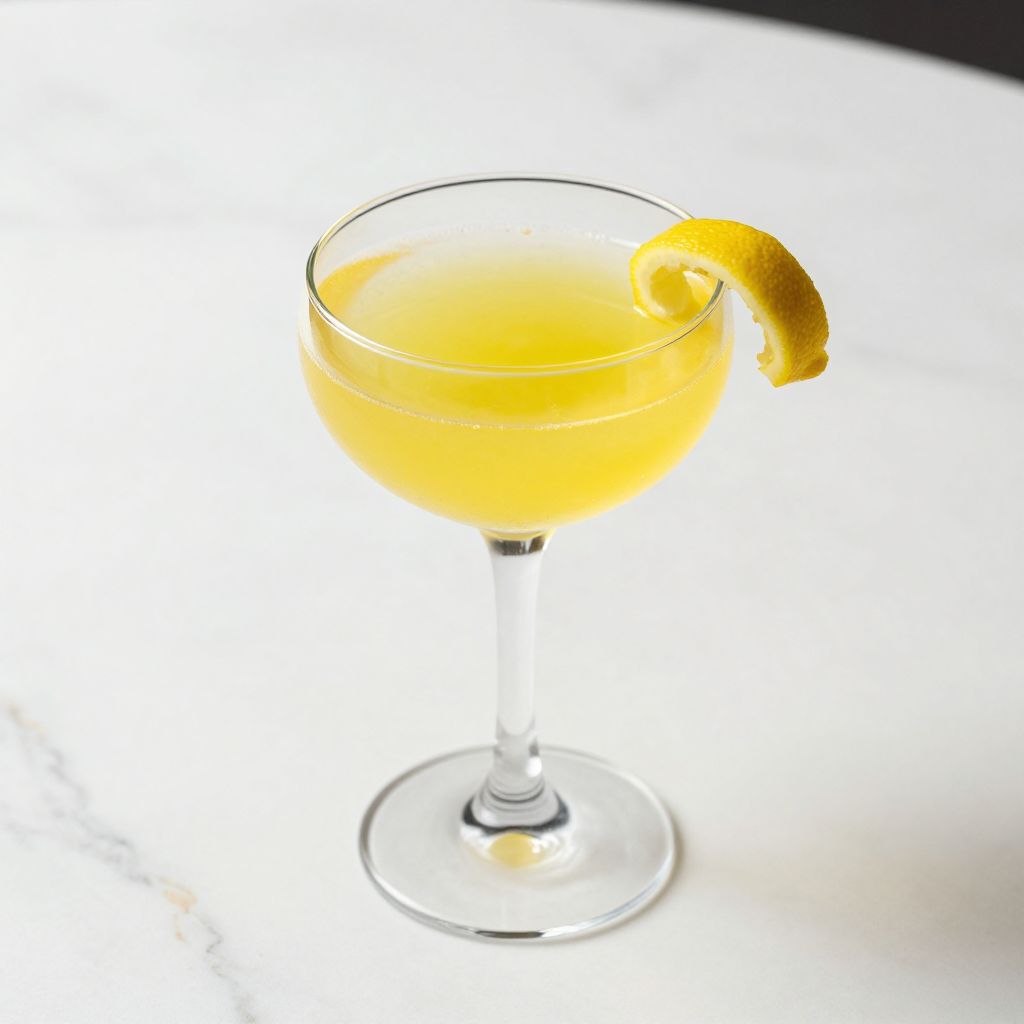
Homemade Lemoncello
Ingredients
Equipment
Method
- Select firm, fragrant unwaxed lemons and rinse them under cool water to remove any dirt. Pat them completely dry with a clean kitchen towel.
- Use a sharp vegetable peeler or microplane zester to remove only the yellow zest from all 10 lemons, avoiding the bitter white pith underneath. Work slowly and carefully around each lemon, stopping as soon as you hit the white layer.
- Place the lemon zest into your clean glass jar and pour the entire 750ml bottle of vodka over it.
- Screw the lid on tightly and place the jar in a cool, dark cabinet away from direct sunlight.
- Let the jar sit undisturbed for 14 days (2 weeks) while the vodka extracts the lemon flavor from the zest. You can swirl the jar gently every few days if desired.
- After 14 days, set a fine-mesh strainer over a large bowl and carefully pour the vodka through it. Use a wooden spoon to gently press the zest against the strainer to squeeze out any remaining infused vodka, then discard the spent zest.
- In a small saucepan, combine 1.5 cups of water and 1.5 cups of sugar over medium heat. Stir constantly until the sugar dissolves completely (about 5 minutes), then remove from heat and let it cool to room temperature.
- Pour the cooled simple syrup into your strained lemon-vodka mixture and stir gently to combine.
- Use a funnel to pour the finished lemoncello into clean glass bottles or jars, seal tightly, and store in your freezer until ready to serve.