
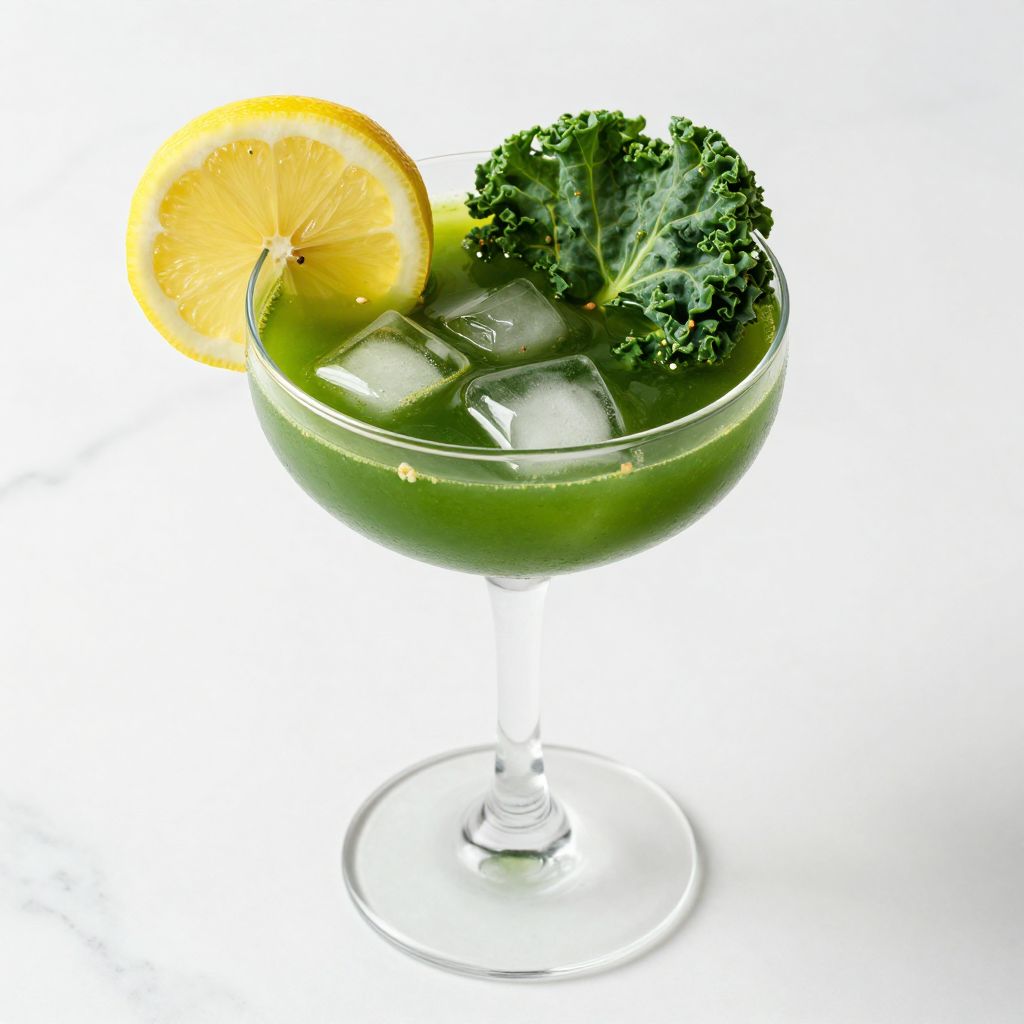
There’s something almost magical about the moment fresh kale hits the juicer and transforms into a vibrant green elixir in your glass. If you’ve ever wondered whether you could actually enjoy a vegetable juice without it tasting like a punishment, this kale juice recipe proves you absolutely can.
This juice balances earthy kale with bright citrus and a hint of natural sweetness, making it genuinely crave-worthy rather than something you choke down for your health. What makes this recipe shine is how approachable it is for anyone with a juicer, plus how quickly you can go from kitchen to glass in about ten minutes.
Why You’ll Love This Recipe
This kale juice delivers real nutrition without tasting like a salad in a cup, and it comes together faster than you’d expect.
- Packed with vitamins A, C, and K from fresh kale, apple, and lemon
- Takes less than 15 minutes from prep to sipping
- Naturally sweet from apple and ginger, no added sugar needed
- Works perfectly as a morning energy boost or afternoon pick-me-up
- Budget-friendly when you buy produce in season
My Experience Making This Recipe
I first made this juice on a chilly morning when I had a pile of kale sitting in my crisper drawer and no real plan for it. Within minutes, my entire kitchen smelled incredible thanks to the fresh ginger and lemon, and the juice tasted nothing like the bitter green drinks I remembered from years past.
My partner walked in asking what smelled so good, took one sip, and actually asked for a second glass. That’s when I knew this recipe was a keeper.
Since then, I’ve made it dozens of times and tweaked the ratios based on what’s in season and what I’m craving that day. Every batch feels like a small ritual, and I genuinely look forward to making it.
Recipe Overview
- Recipe Name: Kale Juice Recipe
- Servings: 2 servings
- Prep Time: 10 minutes
- Cook Time: 0 minutes
- Total Time: 10 minutes
- Course: Beverage
- Cuisine: American
- Calories per Serving: 95 calories
Equipment You Will Need
- Cold press juicer or centrifugal juicer
- Cutting board
- Sharp chef’s knife
- Two 16-ounce glasses
- Small spoon for stirring (optional)
- Vegetable brush for cleaning produce
Ingredients for Kale Juice Recipe
- Fresh kale (curly or Lacinato): 4 cups packed, roughly chopped
- Granny Smith apples: 2 medium, cut into quarters (no need to peel)
- Fresh lemon: 1 whole, cut into halves
- Fresh ginger: 1-inch piece, peeled
- Filtered water: 1/4 cup (optional, to thin if needed)
- Ice cubes: 3 to 4 per serving (optional)
Ingredient Notes and Substitutions
- Kale: Curly kale is mild and slightly sweet, while Lacinato (dinosaur kale) is earthier and more tender. If you can only find one type, use it without worry. Swap with spinach or Swiss chard if kale isn’t available, though the juice will taste less robust.
- Granny Smith apples: These tart apples balance the earthiness of kale perfectly. Honeycrisp or Fuji apples work too but will make the juice sweeter. If you prefer even more sweetness, add one Granny Smith and one sweet apple.
- Lemon: Fresh lemon brightens everything and prevents browning. Lime works as a substitute but brings a tropical angle to the flavor.
- Ginger: Raw ginger adds warmth and natural spice. Reduce to half an inch if you’re sensitive to heat, or skip it entirely for a milder juice.
- Filtered water: Tap water works fine, but filtered water tastes cleaner. Use this only if your juice comes out thick.
How to Make Kale Juice Recipe
Step 1: Wash and Prep Your Produce
Run your kale under cool water and use a vegetable brush to remove any dirt stuck between the leaves. Pat it dry with a clean towel, then roughly chop it into chunks about 3 inches long so it feeds easily into your juicer.
Washing is important because kale can hold soil in its ridges, and you want clean juice, not crunchy juice.
Step 2: Prepare the Apples and Lemon
Rinse your apples and lemon under running water, then pat them dry. Cut the apples into quarters and leave the skin on, as the nutrients live right under the skin and your juicer can handle it.
Cut your lemon in half and set it aside. The lemon goes in last to brighten the flavor and keep the juice from oxidizing too quickly.
Step 3: Peel and Slice the Ginger
Use the edge of a spoon to scrape away the papery ginger skin, then cut a 1-inch piece and slice it into thin coins. Thin pieces juice more efficiently than thick chunks.
If you prefer milder ginger flavor, cut a smaller piece. If you like heat, go with a full inch or slightly more.
Step 4: Assemble at Your Juicer
Place your two glasses under the juice spout so you’re ready to catch every drop. Have all your prepped ingredients within arm’s reach of your juicer.
Organization here saves you from scrambling midway through and letting juice sit while you hunt for an apple.
Step 5: Start Juicing the Kale
Feed your chopped kale into the juicer a handful at a time, pushing gently with the plunger if you have a centrifugal juicer. If using a cold press juicer, load the chamber and slowly press down.
Feed kale slowly to get the most juice extraction and to prevent your juicer from jamming up. Patience here yields more liquid and less dry pulp.
Step 6: Juice the Apples and Ginger
After the kale is done, feed your apple quarters into the juicer, then add the sliced ginger. The apples and ginger help push the remaining kale through and add their own delicious juice to the mix.
You should see a noticeable amount of juice flowing now since apples are juicier than kale.
Step 7: Finish with Lemon
Cut your lemon halves further into quarters and juice them last. The lemon juice finishes the flavor and adds brightness that brings everything together.
Lemon also prevents the juice from browning as quickly during storage, so it’s doing double duty.
Step 8: Stir and Serve
Give the juice a quick stir with a spoon to combine any layers, then pour evenly into your two glasses. You should have roughly 16 ounces of vibrant green juice split between two servings.
Add a few ice cubes if you like it extra cold, then drink it right away for the best flavor and nutrition.
Pro Tip: Make your juice no more than 30 minutes before drinking to preserve the most nutrients and prevent browning, especially if you don’t have a cold press juicer.
Tips for the Best Kale Juice Recipe
- Alternate hard and soft produce as you feed your juicer. Push kale, then apple, then ginger to keep everything moving smoothly and maximize extraction.
- Use very fresh kale with no yellow or wilted leaves, as old kale tastes bitter and unpleasant. Farmers market kale is typically fresher than supermarket kale.
- If your juice tastes too earthy, add another quarter of an apple or an extra squeeze of fresh lemon to brighten it up.
- Store your juicer parts immediately after use, as kale pulp can dry and stick to the screens, making cleanup a nightmare.
- Cold press juicers extract more juice and preserve more nutrients than centrifugal juicers, but both work fine for this recipe.
- Drink your juice on an empty stomach or at least 30 minutes before a meal so your body absorbs the nutrients more efficiently.
Common Mistakes to Avoid
- Overloading your juicer with kale at once clogs the machine and wastes produce. Feed it slowly in handfuls instead.
- Using pre-cut or bagged kale that’s been sitting in the fridge loses flavor and nutrients fast. Buy whole heads when possible.
- Forgetting to wash kale thoroughly leads to sandy juice that feels grainy when you drink it. Take two minutes to brush it clean.
- Skipping the lemon makes the juice taste flat and one-dimensional. Those two halves are not optional.
- Storing juice in clear glass in direct sunlight causes it to brown and lose nutrients quickly. Keep it in an opaque container in the fridge if you must store it.
Serving Suggestions
This juice shines on its own, but you can also pair it with light breakfast foods or snacks to round out your meal. The bright, veggie-forward flavor works best when not competing with heavy foods.
- Pour it into a glass alongside scrambled eggs and whole grain toast for a balanced breakfast
- Sip it before a green salad for a double dose of leafy greens
- Pair it with a handful of almonds or walnuts as a mid-morning energy boost
- Drink it with fresh berries and Greek yogurt for a light snack combo
- Serve it alongside steamed fish or roasted vegetables for a light dinner addition
Variations to Try
- Tropical Kale Juice: Swap the lemon for lime and add one-quarter of a fresh pineapple. This makes the juice sweeter and brings a tropical twist that works beautifully with kale.
- Spicy Kick Version: Add a tiny slice of fresh cayenne pepper or red chile along with the ginger. This version has serious heat and works great as a post-workout drink.
- Green Goddess Juice: Add a small handful of fresh mint and parsley with the kale. These herbs add aromatic complexity and a cooling finish.
- Creamy Kale Juice: Blend the finished juice with half an avocado and a splash of coconut milk for a drinkable smoothie version that’s more filling.
- Detox Style: Add a small piece of fresh turmeric root and one-quarter of a cucumber for an anti-inflammatory version packed with extra enzymes.
Dietary Adaptations
- Gluten-Free: This recipe is naturally gluten-free as written, since kale, apples, lemon, and ginger contain no gluten. No changes needed.
- Dairy-Free: The base recipe contains no dairy, so it’s already dairy-free. Keep it that way unless you choose the creamy variation.
- Vegan and Vegetarian: This juice is naturally vegan and vegetarian since it contains only plant-based ingredients from start to finish.
- Low-Carb and Keto: Skip the apple or reduce it to one-quarter apple and add more kale to keep carbs under 10 grams per serving. The juice won’t be as sweet, but it works for keto diets.
Storage and Reheating
Refrigerator
Fresh juice keeps best when consumed immediately, but you can store it in an airtight glass container in the back of your fridge for up to 24 hours. Cold press juice lasts slightly longer than centrifugal juice.
- Pour into dark glass bottles to slow oxidation and browning
- Fill bottles completely to reduce air exposure
- Keep at the coldest part of your fridge, away from the door
Freezer
You can freeze kale juice in ice cube trays for up to three months, then blend the frozen cubes with a little water or milk when you want juice. This works great for using up extra juice before it expires.
- Pour juice into silicone ice cube trays for easy removal
- Once frozen solid, pop cubes into freezer bags to save space
- Thaw in the fridge overnight or blend frozen cubes immediately into smoothies
Reheating
You should never heat fresh juice, as heat destroys the enzymes and most of the vitamins that make it valuable. Drink it cold or at room temperature instead.
- If stored juice feels too cold, let it sit at room temperature for 10 minutes before drinking
- Add ice if you like it chilled, or sip it at room temp for easier digestion
Nutrition Information
| Nutrient | Amount |
|---|---|
| Calories | 95 |
| Total Fat | 0.5g |
| Saturated Fat | 0g |
| Carbohydrates | 22g |
| Fiber | 1g |
| Sugar | 16g |
| Protein | 2g |
| Sodium | 45mg |
| Cholesterol | 0mg |
These values are estimates based on standard ingredient measurements and may vary depending on your specific produce and juicer efficiency. Nutrient content is highest when juice is consumed immediately after juicing.
Frequently Asked Questions
Can I make this juice without a juicer?
You can blend the ingredients and strain the mixture through a fine mesh strainer or nut milk bag to separate juice from pulp, though the texture will be slightly different. A juicer is really the best tool for this job since it maximizes liquid extraction.
How much juice does this recipe make?
You’ll get roughly 16 ounces of juice from these ingredients, which splits perfectly into two 8-ounce servings. The exact amount depends on how juicy your produce is and how efficient your juicer is.
Is it okay to drink kale juice every day?
Yes, but start with small amounts if you’re new to kale juice, as too much can cause digestive upset. Most experts recommend 8 to 16 ounces per day as a healthy range.
Why does my juice taste bitter?
Old kale or kale that’s been stressed by cold creates bitter juice. Always buy fresh kale and add extra lemon to mask any bitterness you encounter.
Can I use frozen kale for this juice?
Frozen kale works but produces less juice and tastes slightly less fresh. Use fresh kale when possible, but frozen works in a pinch.
What’s the best time of day to drink kale juice?
Morning on an empty stomach is ideal because your body absorbs nutrients fastest when your digestive system isn’t busy processing food. You can drink it anytime you want, though.
Final Thoughts
Making fresh kale juice at home is simpler than you think and tastes infinitely better than store-bought versions. In just ten minutes, you’ll have a glass of genuinely delicious green juice that feels like a gift to your body rather than a chore.
Grab some fresh kale, an apple, and a lemon, and give this recipe a try this week. Once you taste how good it can be, you’ll find yourself making it again and again.
Kale Juice Recipe
Ingredients
Equipment
Method
- Run your kale under cool water and use a vegetable brush to remove any dirt stuck between the leaves. Pat it dry with a clean towel, then roughly chop it into chunks about 3 inches long so it feeds easily into your juicer.
- Rinse your apples and lemon under running water, then pat them dry. Cut the apples into quarters and leave the skin on. Cut your lemon in half and set it aside.
- Use the edge of a spoon to scrape away the papery ginger skin, then cut a 1-inch piece and slice it into thin coins.
- Place your two glasses under the juice spout so you're ready to catch every drop. Have all your prepped ingredients within arm's reach of your juicer.
- Feed your chopped kale into the juicer a handful at a time, pushing gently with the plunger if you have a centrifugal juicer. If using a cold press juicer, load the chamber and slowly press down.
- After the kale is done, feed your apple quarters into the juicer, then add the sliced ginger. The apples and ginger help push the remaining kale through and add their own delicious juice to the mix.
- Cut your lemon halves further into quarters and juice them last. The lemon juice finishes the flavor and adds brightness that brings everything together.
- Give the juice a quick stir with a spoon to combine any layers, then pour evenly into your two glasses. Add a few ice cubes if you like it extra cold, then drink it right away for the best flavor and nutrition.