
The sharp, warming burn of fresh ginger juice hitting your palate is pure magic, and once you’ve tasted homemade, the bottled stuff feels like a poor substitute. This ginger juice recipe transforms raw ginger root into liquid gold that livens up everything from morning smoothies to cocktails to healing tonics.
What makes this recipe special is its simplicity and the incredible versatility of the final product. You’ll extract maximum juice with minimal effort, creating a potent ingredient that lasts for weeks in your fridge.
Why You’ll Love This Recipe
This recipe delivers pure, unadulterated ginger juice without any weird additives or weird aftertaste. You control the intensity, the freshness, and exactly what goes into your glass.
- Takes just 10 minutes from ginger root to finished juice
- Works with a microplane, juicer, or blender, whatever you have on hand
- Stores beautifully for up to 3 weeks in the fridge
- Costs a fraction of bottled versions at the store
- Freezes in ice cube trays for year-round access to fresh ginger
My Experience Making This Recipe
The first time I made fresh ginger juice, I was shocked at how potent it turned out. I’d used maybe four ounces of ginger and ended up with enough juice to last me through the entire month of January.
My kitchen smelled absolutely incredible while I worked, and honestly, that alone made it worth the effort. The juice itself tastes nothing like the pale, watered-down versions you buy in bottles, which means you can use less and get more flavor.
I started adding teaspoons to my morning tea, then to my smoothies, then to a bunch of experimental cocktails. Within two weeks, I’d become that person in my friend group who suddenly brings homemade ginger juice to parties.
Recipe Overview
- Recipe Name: Fresh Ginger Juice
- Servings: Makes approximately 1 cup of juice
- Prep Time: 10 minutes
- Cook Time: 0 minutes
- Total Time: 10 minutes
- Course: Beverages, Condiments
- Cuisine: Asian, Ayurvedic
- Calories per Serving: 5 calories per tablespoon
Equipment You Will Need
- Microplane grater or box grater
- Fine-mesh strainer or nut milk bag
- Small bowl or measuring cup
- Spoon or spatula for pressing
- Glass jar for storage (optional but recommended)
- Blender or food processor (optional alternative method)
Ingredients for Fresh Ginger Juice
- Fresh ginger root: 1 pound (about 4 inches of a ginger hand), peeled and roughly chopped
- Filtered water: only if using a blender method (about 1/4 cup)
Ingredient Notes and Substitutions
- Fresh ginger root provides the signature sharp, warming flavor and all the beneficial compounds. If you can’t find fresh ginger, you can use candied ginger soaked in water, though the result will be sweeter and less potent.
- Filtered water (if using a blender) removes chlorine and minerals that can interfere with flavor. Regular tap water works fine, though some people notice a slight metallic taste.
How to Make Fresh Ginger Juice
Step 1: Select and Prepare Your Ginger
Choose ginger root that feels firm and has smooth, thin skin, which signals freshness and higher juice content. Peel away the papery outer skin with a vegetable peeler or spoon, removing just enough to expose the pale yellow flesh underneath.
Step 2: Measure Your Ginger
Weigh out or roughly estimate about one pound of peeled ginger, which will yield approximately one cup of juice. This amount is generous enough to make the effort worthwhile and leaves you with plenty to store.
Step 3: Chop the Ginger Into Small Pieces
Cut the peeled ginger into chunks roughly the size of your thumb. Smaller pieces extract more juice and require less physical effort when you’re pressing through the strainer.
Step 4: Grate or Process the Ginger
Using a microplane grater, grate the ginger pieces directly into a fine-mesh strainer set over a bowl, working in batches. The grater creates a fluffy pile of ginger solids while the juice naturally drips into the bowl below.
Step 5: Press Out the Remaining Juice
Once you’ve grated all the ginger, use the back of a spoon or a spatula to press down firmly on the ginger solids. Press repeatedly and at different angles, rotating the strainer slightly, until you’ve extracted every last drop of juice.
Step 6: Taste and Adjust Strength
Taste a small spoonful of your finished juice and decide if you want to concentrate it further or dilute it slightly. If it feels too intense, add a tablespoon or two of filtered water; if it’s milder than you hoped, grate additional ginger and repeat the pressing process.
Step 7: Strain One Final Time
Pour the juice through a clean fine-mesh strainer one more time to catch any fine ginger particles. This step ensures a smooth, clear juice with no gritty texture.
Step 8: Transfer to Storage Container
Pour the finished juice into a clean glass jar, label it with the date, and refrigerate immediately. Properly stored fresh ginger juice keeps for up to three weeks in the coldest part of your fridge.
Pro Tip: Freeze your ginger juice in ice cube trays, then pop the cubes into freezer bags once solid. You’ll always have single-serving portions ready to toss into smoothies, tea, or cooking without any waste.
Tips for the Best Fresh Ginger Juice
- Buy ginger in bulk at farmers markets or Asian grocery stores where it’s fresher and cheaper than supermarkets. Bulk purchases also let you make larger batches less frequently.
- Don’t peel the ginger too aggressively, as much of the flavor lives right under the skin. A light scrape with a spoon removes dirt while keeping most of the pungent oils intact.
- A microplane grater beats a box grater for this task because it creates a finer texture that yields more juice with less pressing effort. The microplane also feels less work-intensive overall.
- Make ginger juice when you have about 30 minutes of relaxed time, as rushing the pressing step means you’ll leave juice behind in the solids. The process is meditative once you stop fighting the pace.
- Taste the juice regularly as it ages in the fridge; ginger juice can develop a slight fermented note after the second week, which some people enjoy and others don’t. Once it hits that point, use it quickly or freeze what you haven’t used.
Common Mistakes to Avoid
- Skipping the peeling step to save time leaves you with bitter, skin-flavored juice that tastes unpleasant. Fresh ginger skin contains tannins that become pronounced when concentrated into juice form.
- Not pressing the solids hard enough means you’re essentially throwing away half your juice. Take your time and press at different angles until the solids feel completely dry.
- Using a blender without straining afterward creates a pulpy texture that feels grainy in your mouth. If you use a blender, always strain the result through a nut milk bag or cheesecloth.
- Storing juice in clear bottles left in bright light causes it to lose potency and develop off-flavors. Keep your finished juice in a dark, cold corner of the fridge in an opaque container if possible.
Serving Suggestions
Fresh ginger juice transforms everyday drinks and dishes into something special. A single tablespoon can shift the entire personality of a recipe toward brightness and warmth.
- Stir a teaspoon into hot tea with lemon and honey for a soothing, anti-inflammatory drink
- Add a tablespoon to smoothie bowls for sharp flavor that cuts through creamy ingredients
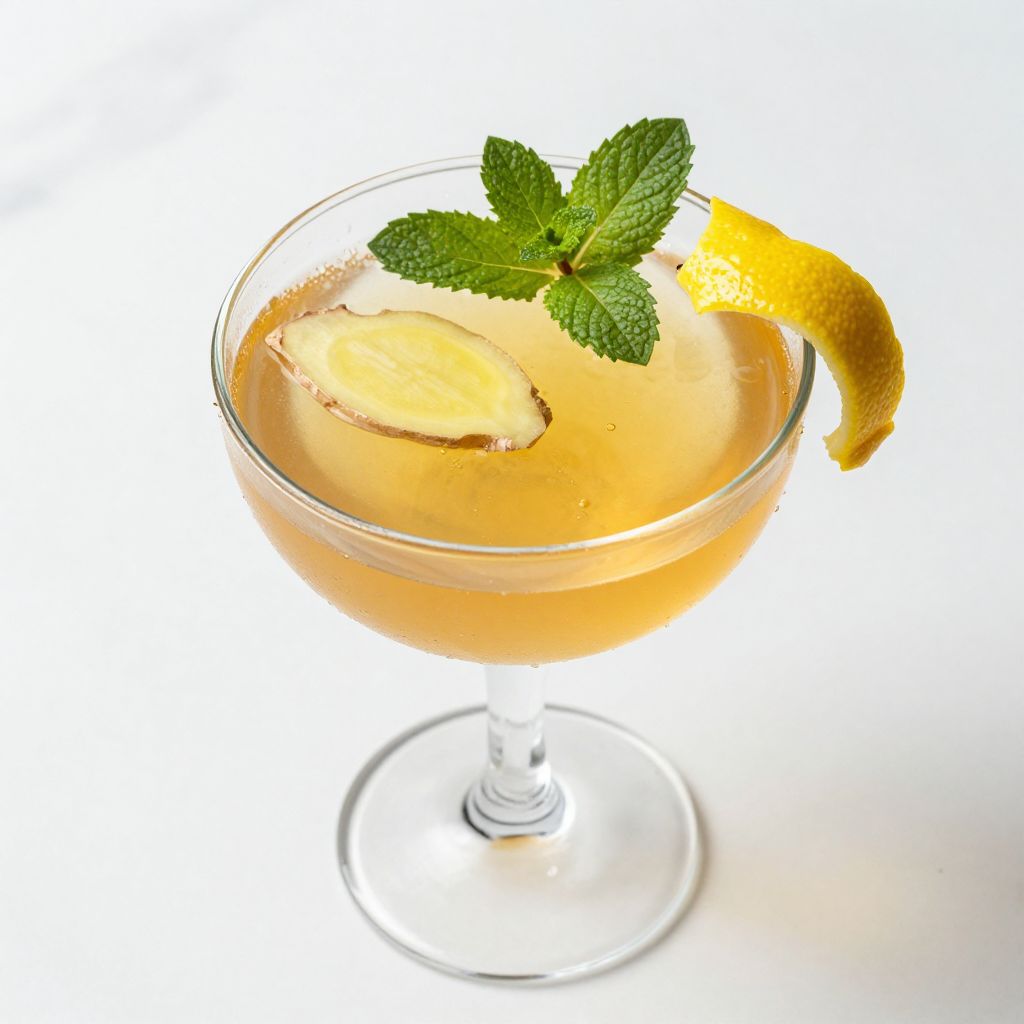
- Mix into cocktails or mocktails as a spicy, warming element in place of ginger beer
- Drizzle over roasted vegetables, rice bowls, or grain salads for a finishing punch of flavor
- Combine with soy sauce and sesame oil to make a quick stir-fry sauce with serious depth
Variations to Try
- Turmeric Ginger Juice: Add one tablespoon of fresh turmeric root to your ginger before processing. The result tastes earthy and golden, with extra anti-inflammatory compounds that make this blend popular in Ayurvedic medicine.
- Ginger Honey Syrup: Heat your finished juice gently with equal parts honey until the honey dissolves completely. This creates a shelf-stable, pre-sweetened version that feels luxurious in tea and cocktails.
- Spicy Ginger Juice with Chili: Include one small hot chili pepper when processing your ginger for a fiery kick. The chili heat builds over time, so taste as you go and add more if you enjoy serious spice.
- Citrus Ginger Juice: Juice two lemons or limes and combine with your finished ginger juice for a bright, vitamin-C-packed tonic. This combination feels especially refreshing in warm weather or when you’re fighting off a cold.
- Ginger Garlic Elixir: Add two cloves of raw garlic to your ginger before processing for a savory, potent immune-supporting juice. This version tastes assertive and works best mixed into soups, broths, or taken as a single shot.
Dietary Adaptations
- Gluten-Free: This recipe is naturally gluten-free, as it contains only fresh ginger root and water. No adaptation needed.
- Dairy-Free: Already dairy-free with no animal products involved. This juice fits perfectly into vegan and dairy-free diets.
- Vegan: Completely vegan as written, containing only plant material. The trade-off is zero, making this an ideal recipe for plant-based eating.
- Low-Carb and Keto: Fresh ginger juice contains minimal carbohydrates, about 1 gram per tablespoon, making it keto-friendly. The juice itself fits these diets, though watch added sweeteners if you make a honey syrup version.
Storage and Reheating
Refrigerator
Properly stored ginger juice keeps for up to three weeks in the coldest part of your fridge. Store it in an airtight glass jar away from light and fluctuating temperatures.
- Transfer to a dark glass bottle if light exposure is unavoidable
- Check for any mold or off-smells before using after two weeks
- Shake well before each use as some settling may occur
Freezer
Frozen ginger juice maintains quality for up to six months, making this the best long-term storage option. Freeze in ice cube trays for convenient single-serving portions.
- Pour juice into silicone ice cube molds for easy removal
- Transfer frozen cubes to labeled freezer bags once solid
- No thawing needed; drop cubes directly into hot tea or smoothies
Reheating
Fresh ginger juice doesn’t require reheating but can be gently warmed if you prefer. Never boil the juice as heat destroys the fresh, volatile compounds that make it special.
- Warm in a small saucepan over low heat just until steaming
- Add to hot tea or coffee at the last moment for maximum flavor retention
- Mix frozen cubes directly into hot liquids and let them melt naturally
Nutrition Information
| Nutrient | Amount |
|---|---|
| Calories | 5 |
| Total Fat | 0g |
| Saturated Fat | 0g |
| Carbohydrates | 1g |
| Fiber | 0g |
| Sugar | 0g |
| Protein | 0g |
| Sodium | 2mg |
| Cholesterol | 0mg |
These values represent one tablespoon of pure ginger juice with no added sweeteners or water. Individual nutrition will vary based on how you dilute or sweeten your finished juice.
Frequently Asked Questions
Can I use a juicer instead of a microplane?
Absolutely, a cold-press juicer or centrifugal juicer works beautifully and requires zero pressing by hand. The juicer method produces slightly less juice overall but saves significant effort, making it worth considering if you make ginger juice regularly.
How much ginger juice should I use per serving?
Start with one teaspoon in tea or smoothies and increase to one tablespoon as your palate adjusts to the intensity. Most people find one to two tablespoons per cup of liquid provides excellent flavor without overpowering other ingredients.
Does the juice lose potency over time?
Yes, the sharp, fresh bite gradually mellows after the first two weeks in the fridge. If you want to preserve maximum potency, freeze what you don’t use within the first ten days.
What do I do with the leftover ginger solids?
Don’t throw them away; the solids still contain flavor and can be added to soups, broths, or steeped as a mild tea. You can also dehydrate the solids in a low oven to make ground ginger powder, though the intensity won’t match fresh.
Is it safe to drink ginger juice straight, or should I dilute it?
Straight ginger juice can be intense and might upset your stomach if you’re not used to it. Start with small amounts, mixed into other liquids, and work your way up to straight shots if you enjoy the heat.
Final Thoughts
Making fresh ginger juice at home transforms the way you cook and feel, turning a simple root into a versatile powerhouse. Once you taste the difference homemade makes, you’ll wonder why you ever bought the bottled version.
Give this recipe a try this week and notice how a single tablespoon shifts the flavor profile of your favorite drinks and dishes. Your kitchen will smell incredible, your body will thank you, and you’ll quickly become the person who always has homemade ginger juice on hand.
Fresh Ginger Juice
Ingredients
Equipment
Method
- Choose ginger root that feels firm and has smooth, thin skin. Peel away the papery outer skin with a vegetable peeler or spoon, removing just enough to expose the pale yellow flesh underneath.
- Weigh out or roughly estimate about one pound of peeled ginger, which will yield approximately one cup of juice.
- Cut the peeled ginger into chunks roughly the size of your thumb. Smaller pieces extract more juice and require less physical effort when pressing through the strainer.
- Using a microplane grater, grate the ginger pieces directly into a fine-mesh strainer set over a bowl, working in batches. The grater creates a fluffy pile of ginger solids while the juice naturally drips into the bowl below.
- Once you've grated all the ginger, use the back of a spoon or a spatula to press down firmly on the ginger solids. Press repeatedly and at different angles, rotating the strainer slightly, until you've extracted every last drop of juice.
- Taste a small spoonful of your finished juice and decide if you want to concentrate it further or dilute it slightly. If it feels too intense, add a tablespoon or two of filtered water; if it's milder than you hoped, grate additional ginger and repeat the pressing process.
- Pour the juice through a clean fine-mesh strainer one more time to catch any fine ginger particles. This step ensures a smooth, clear juice with no gritty texture.
- Pour the finished juice into a clean glass jar, label it with the date, and refrigerate immediately. Properly stored fresh ginger juice keeps for up to three weeks in the coldest part of your fridge.